歡迎進入山東91精品九色蜜桃久久二区三区環保能源設備有限公司
歡迎進入山東91精品九色蜜桃久久二区三区環保能源設備有限公司


熱線電話
0531-69953988
聯係電話:18678860671
服務熱線:0531-69953988
聯係地址:中國(山東)試驗區濟南片區孫村街道經十東路33688號章錦綜合保稅區聯東U穀科創中心5號樓 101
生物脫硫和其他兩種脫硫方式的區別
 首頁- 蜜桃视频91APP下载网站資訊 > 公司蜜桃视频91APP下载网站
 2025-12-24
本期91精品九色蜜桃久久二区三区來對比幹法、濕法和生物脫硫這三大工藝。隨著節能減排政策不斷深入人心,很多企業都打算利用汙水站的蜜桃视频成人A片免费观看少妃部分代替天然氣,用於鍋爐或發電。那麽,蜜桃视频成人A片免费观看少妃利用前的硫化氫脫除工藝,也就是脫硫,就成了工廠和站長們的選擇難點。當前,比較常用的工藝主要有幹法脫硫、濕法脫硫和生物脫硫這三種。
In this issue, we will compare the three major processes of dry, wet, and biological desulfurization. With the continuous deepening of energy-saving and emission reduction policies, many enterprises plan to use the biogas from sewage plants to replace natural gas for boiler combustion or power generation. So, the hydrogen sulfide removal process before biogas utilization, namely desulfurization, has become a difficult choice for factories and station managers. Currently, the commonly used processes include dry desulfurization, wet desulfurization, and biological desulfurization.
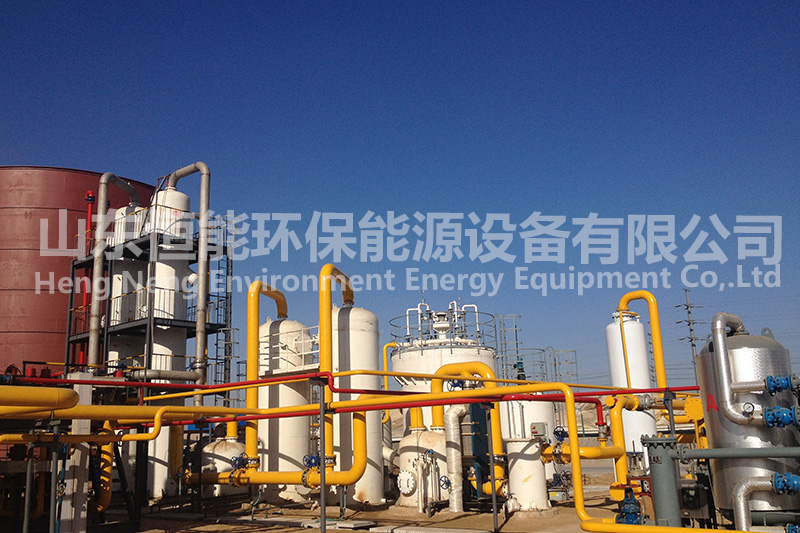
首先來說第一種,幹法脫硫。幹法脫硫的是利用固體吸附劑去除氣體中的硫化氫等酸性氣體,靠的是吸附劑表麵的活性位點與硫化氫分子之間的物理或化學相互作用,把硫化氫分子吸附在吸附劑表麵,從而達到脫除目的。
Firstly, let's talk about the first method, dry desulfurization. The principle of dry desulfurization is to use solid adsorbents to remove acidic gases such as hydrogen sulfide from the gas. It relies on the physical or chemical interactions between the active sites on the adsorbent surface and hydrogen sulfide molecules to adsorb hydrogen sulfide molecules on the adsorbent surface, thereby achieving the purpose of removal.
它的工藝流程很簡單,第一步是原料氣預處理,去除其中的雜質和水分,避免影響吸附劑性能;第二步是吸附,預處理後的原料氣進入吸附塔,與吸附劑接觸,硫化氫被吸附;第三步是解吸,當吸附劑飽和後,通過加熱或降壓的方式釋放出硫化氫,恢複吸附劑的吸附能力;最後是產品氣幹燥,得到的純淨硫化氫氣體可以作為化工原料或燃料使用。
Its process flow is very simple. The first step is the pre-treatment of the raw gas to remove impurities and moisture, avoiding affecting the performance of the adsorbent; The second step is adsorption. The pre treated feed gas enters the adsorption tower and comes into contact with the adsorbent, where hydrogen sulfide is adsorbed; The third step is desorption. When the adsorbent is saturated, hydrogen sulfide is released through heating or depressurization to restore the adsorption capacity of the adsorbent; Finally, the product gas is dried, and the pure hydrogen sulfide gas obtained can be used as a chemical raw material or fuel.
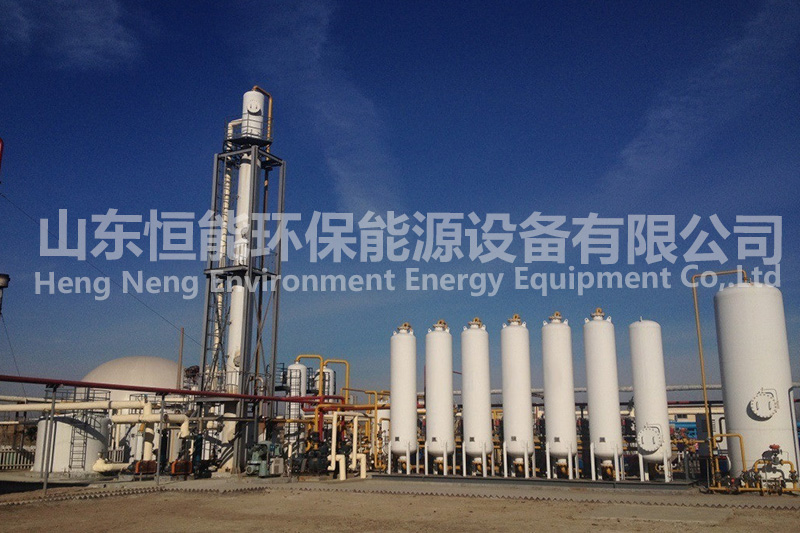
幹法脫硫的優點很突出,設備結構簡單、占地麵積小、投資成本低,操作也方便,不需要複雜的控製係統和儀表,維護保養費用低,適應性還強,能滿足不同規模和性質的氣體處理需求。但它也有缺點,脫硫效率相對較低,一般隻能達到 70%~90% 左右,滿足不了太嚴格的排放標準;而且吸附劑壽命有限,需要定期更換,增加了運行成本;過程中還容易產生二次汙染,比如吸附劑粉塵飛揚、廢氣排放等問題,得采取相應措施治理。
The advantages of dry desulfurization are prominent, with simple equipment structure, small footprint, low investment cost, convenient operation, no need for complex control systems and instruments, low maintenance costs, strong adaptability, and can meet the gas treatment needs of different scales and properties. But it also has its drawbacks, with relatively low desulfurization efficiency, generally only reaching around 70% to 90%, which cannot meet too strict emission standards; Moreover, the lifespan of the adsorbent is limited and requires regular replacement, which increases operating costs; During the process, secondary pollution is also prone to occur, such as adsorbent dust flying and exhaust emissions, which require corresponding measures to be taken for treatment.
幹法脫硫更適用於小規模氣體處理、高濃度硫化氫氣體處理以及間歇式氣體處理項目。舉個蜜桃视频成人网站在线观看,某化工廠用幹法脫硫技術處理含硫化氫廢氣,廢氣流量 1000m?/h,硫化氫濃度 1000mg/m?,采用活性炭作為吸附劑,設計了兩座直徑 2m、高度 10m 的吸附塔。它的工程參數大多是常溫常壓操作,吸附和解吸的流速一般在 0.5m/s~1.0m/s,時間在 30min~60min,解吸溫度會高一些,在 100℃~150℃。處理後,廢氣中硫化氫濃度能降低至 20mg/m? 以下,符合國家標準,該廠每年可減少硫化氫排放量約 100 噸,經濟效益和環境效益都很顯著。
Dry desulfurization is more suitable for small-scale gas treatment, high concentration hydrogen sulfide gas treatment, and intermittent gas treatment projects. For example, a chemical plant uses dry desulfurization technology to treat waste gas containing hydrogen sulfide, with a flow rate of 1000m ?/h and a hydrogen sulfide concentration of 1000mg/m? Two adsorption towers with a diameter of 2m and a height of 10m were designed using activated carbon as the adsorbent. Its engineering parameters are mostly operated at normal temperature and pressure, with adsorption and desorption flow rates generally ranging from 0.5m/s to 1.0m/s and times between 30min and 60min. The desorption temperature may be higher, ranging from 100 ℃ to 150 ℃. After treatment, can the concentration of hydrogen sulfide in the exhaust gas be reduced to 20mg/m? According to national standards, the factory can reduce hydrogen sulfide emissions by about 100 tons per year, with significant economic and environmental benefits.
接下來是第二種,濕法脫硫。它的是利用液體吸收劑去除硫化氫等酸性氣體,通過吸收劑與硫化氫發生化學反應,將其轉化為不溶於水的物質,進而實現脫除。
Next is the second method, wet desulfurization. Its principle is to use liquid absorbents to remove acidic gases such as hydrogen sulfide. Through a chemical reaction between the absorbents and hydrogen sulfide, it is converted into insoluble substances in water, thereby achieving removal.
工藝流程和幹法類似,先對原料氣進行預處理,去除雜質和水分;然後進入吸收塔,硫化氫被吸收劑吸收;吸收劑飽和後,通過加熱或減壓解吸,釋放出硫化氫,恢複吸收能力;最後對解吸後的產品氣進行幹燥,得到純淨的硫化氫氣體。
The process flow is similar to the dry method, where the raw gas is first pretreated to remove impurities and moisture; Then it enters the absorption tower, where hydrogen sulfide is absorbed by the absorbent; After saturation of the absorbent, hydrogen sulfide is released through heating or depressurization desorption to restore absorption capacity; Finally, dry the desorbed product gas to obtain pure hydrogen sulfide gas.
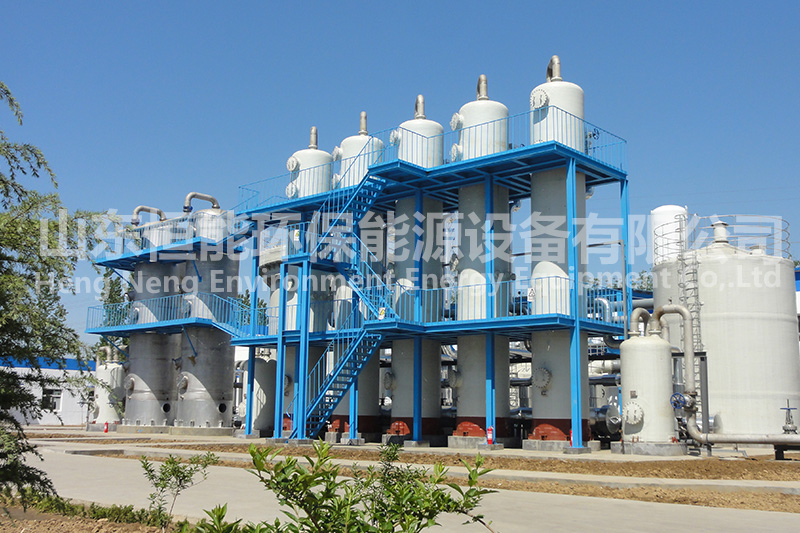
濕法脫硫的優點是脫硫效率高,能達到 90% 以上,滿足嚴格的排放標準;吸收劑可以再生,降低了運行成本;而且不易產生二次汙染,對環境友好。但它的缺點也很明顯,設備結構複雜、占地麵積大、投資成本高,操作難度大,需要複雜的控製係統和儀表,維護保養費用也高,適應性還比較差,隻能適應一定規模和性質的氣體處理需求。
The advantage of wet desulfurization is its high desulfurization efficiency, which can reach over 90% and meet strict emission standards; Absorbents can be regenerated, reducing operating costs; And it is not prone to secondary pollution and is environmentally friendly. But its disadvantages are also very obvious, such as complex equipment structure, large footprint, high investment cost, difficult operation, requiring complex control systems and instruments, high maintenance costs, and poor adaptability. It can only adapt to gas treatment needs of a certain scale and nature.
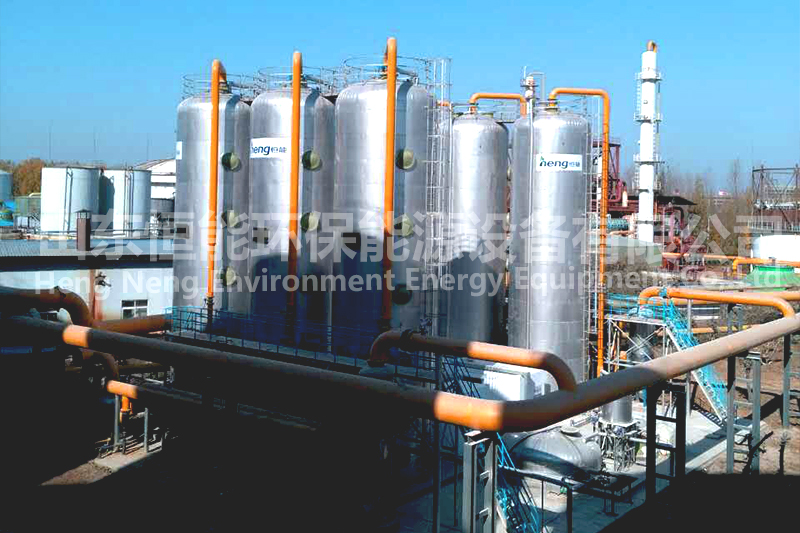
它更適用於大規模氣體處理、低濃度硫化氫氣體處理以及連續式氣體處理項目。比如某煉油廠,用濕法脫硫技術處理含硫化氫廢氣,廢氣流量 10000m?/h,硫化氫濃度 100mg/m?,采用碳酸鈉作為吸收劑,設計了三座直徑 4m、高度 20m 的吸收塔。工程參數方麵,吸收溫度常溫 20℃~30℃,常壓操作,吸收和解吸的流速、時間與幹法相近,解吸溫度同樣在 100℃~150℃。處理後,硫化氫濃度也能降至 20mg/m? 以下,該廠每年可減少硫化氫排放量約 1000 噸,效益顯著。
It is more suitable for large-scale gas treatment, low concentration hydrogen sulfide gas treatment, and continuous gas treatment projects. For example, a certain refinery uses wet desulfurization technology to treat hydrogen sulfide containing waste gas, with a flow rate of 10000m?/h and a hydrogen sulfide concentration of 100mg/m? Three absorption towers with a diameter of 4m and a height of 20m were designed using sodium carbonate as the absorbent. In terms of engineering parameters, the absorption temperature is at room temperature of 20 ℃~30 ℃, operating at atmospheric pressure. The flow rate and time of absorption and desorption are similar to those of dry process, and the desorption temperature is also between 100 ℃~150 ℃. After processing, can the concentration of hydrogen sulfide also be reduced to 20mg/m? Below, the factory can reduce hydrogen sulfide emissions by about 1000 tons per year, with significant benefits.
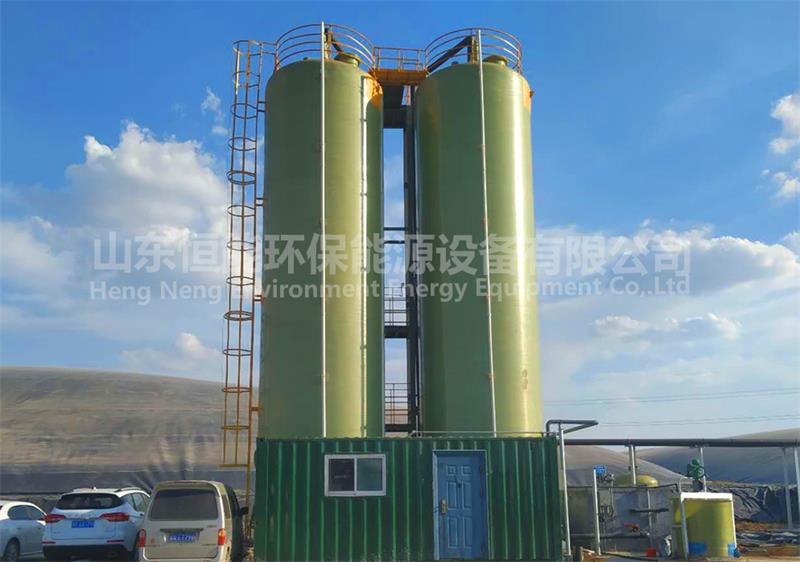
第三種是生物脫硫。它的是利用微生物的代謝活動去除硫化氫等酸性氣體,通過微生物體內的酶係統將硫化氫轉化為無毒無害的物質,從而實現脫除。
The third type is biological desulfurization. Its principle is to use the metabolic activity of microorganisms to remove acidic gases such as hydrogen sulfide, and convert hydrogen sulfide into non-toxic and harmless substances through the enzyme system in the microbial body, thereby achieving removal.
工藝流程主要包括原料氣預處理,去除雜質和水分,避免影響微生物的生長和代謝;然後原料氣進入生物反應器,與微生物接觸,硫化氫被微生物代謝轉化;最後對反應器內的產物進行分離、提純,得到的純淨產物可作為化工原料或燃料使用。
The process mainly includes pre-treatment of raw gas, removal of impurities and moisture, and avoidance of affecting the growth and metabolism of microorganisms; Then the feed gas enters the bioreactor and comes into contact with microorganisms, where hydrogen sulfide is metabolized and converted by the microorganisms; Finally, the products in the reactor are separated and purified, and the pure products obtained can be used as chemical raw materials or fuels.
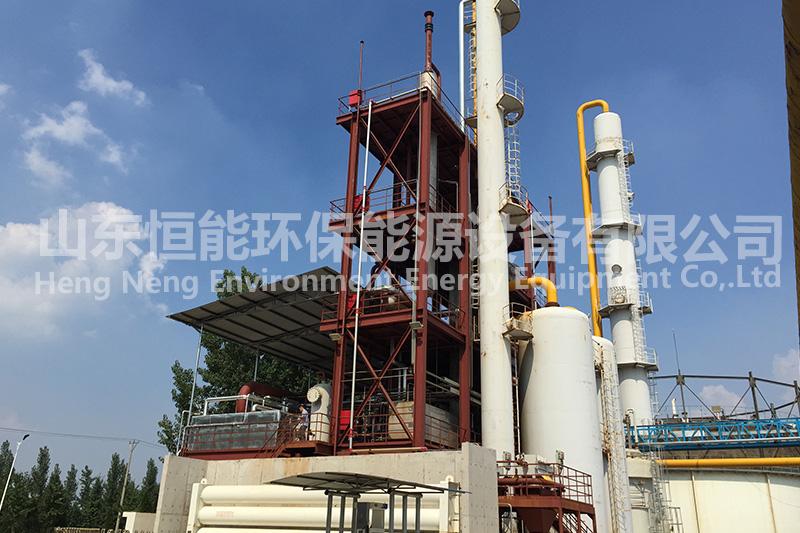
生物脫硫的優點是脫硫效率高,能達到 90% 以上,滿足嚴格排放標準;運行成本低,不需要消耗大量化學藥品和能源,隻需提供適宜的溫度、濕度和營養物質等條件;而且無二次汙染,對環境友好。但它也存在設備複雜、占地麵積大、投資成本高的問題,操作難度大,需要專業技術人員管理維護,否則容易出現故障,適應性也比較差,隻能適應一定規模和性質的氣體處理需求。
The advantage of biological desulfurization is its high desulfurization efficiency, which can reach over 90% and meet strict emission standards; Low operating costs, no need to consume large amounts of chemicals and energy, only providing suitable conditions such as temperature, humidity, and nutrients; And there is no secondary pollution, environmentally friendly. But it also has the problems of complex equipment, large footprint, high investment cost, high operational difficulty, and the need for professional technical personnel to manage and maintain it. Otherwise, it is prone to malfunctions and has poor adaptability, only able to adapt to gas processing needs of a certain scale and nature.
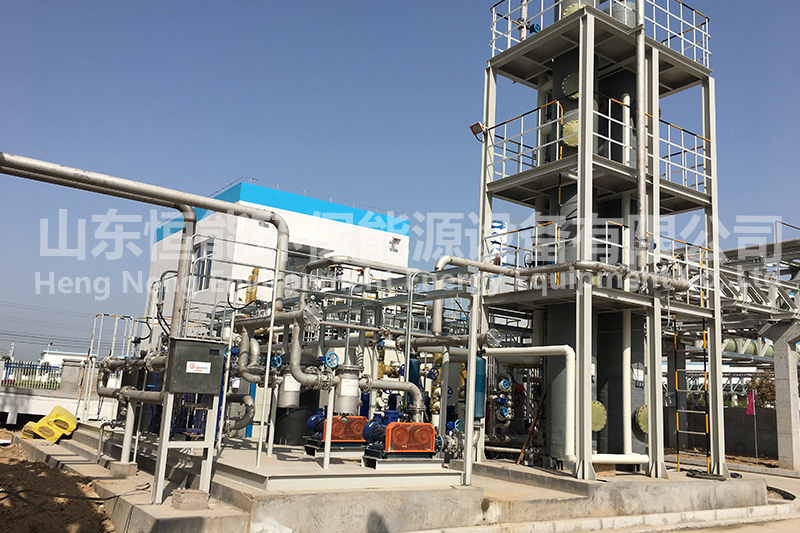
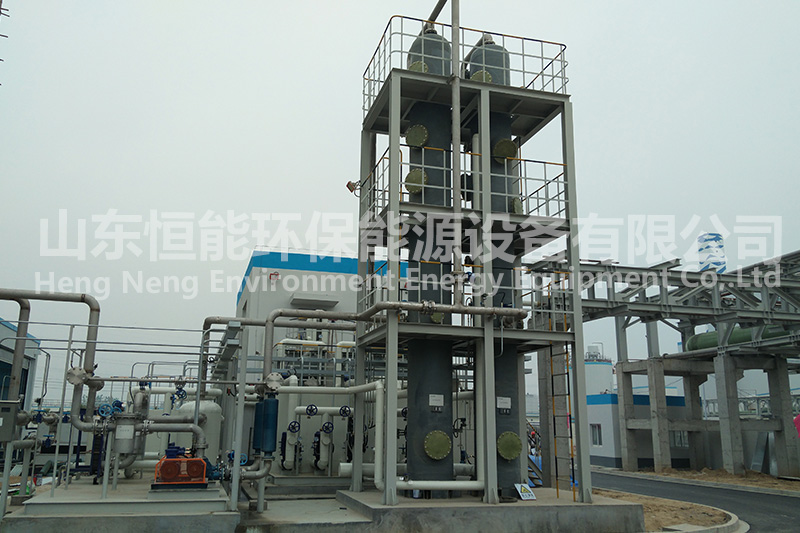
它適用於大規模氣體處理、低濃度硫化氫氣體處理以及連續式氣體處理項目。某化肥廠就用了生物脫硫技術,處理的廢氣流量 5000m?/h,硫化氫濃度 50mg/m?,采用固定床生物反應器,設計了四座直徑 3m、高度 10m 的反應器。工程參數上,反應溫度在 30℃~35℃,最適溫度 32℃,常壓操作,反應流速 0.5m/s~1.0m/s,反應時間 30min~60min;營養液添加量為每立方米廢氣 0.5kg~1.0kg,pH 值控製在 6.0~8.0,最適 7.0,營養液溫度 25℃~30℃,最適 28℃。處理後,硫化氫濃度降至 20mg/m? 以下,該廠每年可減少硫化氫排放量約 250 噸,效益良好。
It is suitable for large-scale gas treatment, low concentration hydrogen sulfide gas treatment, and continuous gas treatment projects. A certain fertilizer plant has used biological desulfurization technology to treat waste gas with a flow rate of 5000m?/h and a hydrogen sulfide concentration of 50mg/m? Four reactors with a diameter of 3m and a height of 10m were designed using fixed bed bioreactors. In terms of engineering parameters, the reaction temperature is between 30 ℃ and 35 ℃, with an optimal temperature of 32 ℃, operating at atmospheric pressure. The reaction flow rate is between 0.5m/s and 1.0m/s, and the reaction time is between 30 minutes and 60 minutes; The amount of nutrient solution added is 0.5kg~1.0kg per cubic meter of exhaust gas, the pH value is controlled at 6.0~8.0, with an optimum of 7.0, and the temperature of the nutrient solution is 25 ℃~30 ℃, with an optimum of 28 ℃. After treatment, the concentration of hydrogen sulfide decreased to 20mg/m? Below, the factory can reduce hydrogen sulfide emissions by about 250 tons per year, with good benefits.
最後91精品九色蜜桃久久二区三区來總結對比一下這三種工藝。幹法脫硫多用於硫化氫處理負荷小,或者對脫硫效果要求很高的工況,常作為濕法脫硫或生物脫硫之後的進一步脫硫工藝。在製定脫硫效果時,建議根據後續設備(鍋爐或發電機)對硫化氫濃度的限製,以及蜜桃视频成人A片免费观看少妃與天然氣消耗量的比例,製定合理的脫硫標準,通常建議最終的硫化氫含量控製在 25 到 100ppm。
Finally, let's summarize and compare these three processes. Dry desulfurization is often used for conditions with low hydrogen sulfide treatment load or high requirements for desulfurization effect, and is often used as a further desulfurization process after wet desulfurization or biological desulfurization. When formulating the desulfurization effect, it is recommended to establish reasonable desulfurization standards based on the limitations of hydrogen sulfide concentration by subsequent equipment (boilers or generators), as well as the ratio of biogas and natural gas consumption. It is usually recommended to control the final hydrogen sulfide content at 25 to 100ppm.
以上,便是本期幹法、濕法和生物脫硫三大工藝比較的介紹。今天就到這裏啦,拜拜,點個關注唄。
Above is an introduction to the comparison of the three major processes of dry, wet, and biological desulfurization in this issue. That's all for today. Goodbye, just follow us.
相關蜜桃视频91APP下载网站
 企業二維碼
企業二維碼













 魯公網安備37011202000764號號